| | |
Get Quote
Home / Guides & Insights / EPC How-To

Small Hydro Turnkey EPC in 8 Steps — An Owner’s Guide

From feasibility to commissioning in roughly 8–14 months. What an owner must prepare, what the EPC contractor delivers, and how the China + local-partner model de-risks a small hydropower project in Africa.

This guide follows the eight stages of every turnkey contract we execute. It is written from real deliveries to Madagascar, Pakistan, Laos, Indonesia, Kazakhstan and elsewhere — not from a brochure.

01The 8 steps at a glance

  1. 1 · Site data & feasibility. Hydrology (at least one full wet/dry cycle), topography, head and flow measurements, access, and a preliminary energy yield. This decides whether the project is bankable — everything else follows.
  2. 2 · Licensing, permits & PPA. Water rights, land, environmental approval and the power purchase agreement. With a local partner this is done in parallel with engineering, not after it — saving months.
  3. 3 · Engineering & design. Basic design fixes the turbine type, speed and generator; detailed design covers civil structures, penstock, electrical and control drawings. Design freezes the price — changes after this stage are the main cause of cost overruns.
  4. 4 · Manufacturing & Factory Acceptance Test. Runners, guide vanes, generator, governor and switchgear are built in parallel. Your engineers (or a third-party inspector) attend the FAT: dimensions, materials certificates, run tests and a complete set of as-built documents.
  5. 5 · Shipping, customs & site logistics. Turbine sets ship break-bulk or in containers; customs clearance and inland haulage to often-remote sites are where schedules die without an experienced local team. Insurance, packing lists and destination agents are arranged up front.
  6. 6 · Civil works & installation. Weir, intake, settling basin, headrace, penstock, powerhouse and tailrace are built to the turbine interface drawings; mechanical and electrical erection follows in a planned sequence, supervised by our commissioning engineers.
  7. 7 · Commissioning & grid connection. Dry tests, rotation, governor tuning, protection relay testing, then synchronisation and load steps. For isolated grids we tune the governor for island mode from day one — not as an afterthought.
  8. 8 · Handover, O&M & training. Performance test, spare parts, documentation and local operator training. Through HIER in Madagascar (and partner crews elsewhere) we stay on site after handover — the difference between a plant that runs and one that runs well.
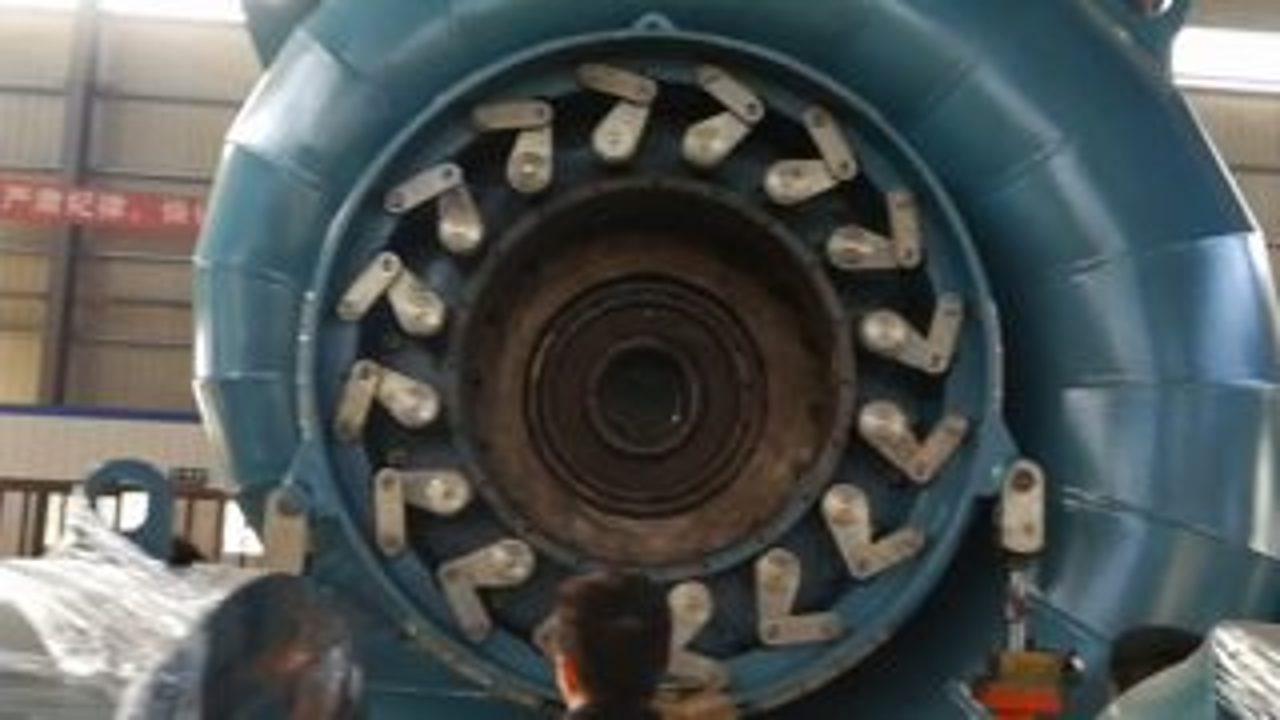
Francis spiral casing pre-assembly at the TCH factory

Generator stator assembly line — multiple units built in parallel at the TCH factory.
02Who does what — owner vs. EPC

  • Owner: land and water rights, permits, PPA, local community engagement, site access. EPC: everything technical from hydrology review to commissioning — under one fixed price and one schedule.
  • Owner: appoints an independent engineer or supervisor if the lender requires one. EPC: provides design, manufacturing, delivery, erection and commissioning — and warrants the plant for a defined defects period.
  • Owner: operates the plant after handover (or contracts O&M). EPC: trains the operators, supplies manuals and spares, and can stay as O&M contractor — our model in Madagascar through HIER.
The China + local-partner model is the de-risking layer: manufacturing happens in our own factory where cost and quality are controlled, while permits, community relations, customs and O&M are handled by a partner who already operates plants in your country.

03Typical timeline

  • Months 0–2: site data validation, feasibility sign-off, contract. Months 3–6: licensing + detailed design + manufacturing start.
  • Months 6–9: FAT, shipment, customs and civil works in parallel. Months 9–12: mechanical and electrical erection.
  • Months 12–14: commissioning, grid connection, performance test and handover. Faster tracks are possible when the civil works are pre-funded or already built.
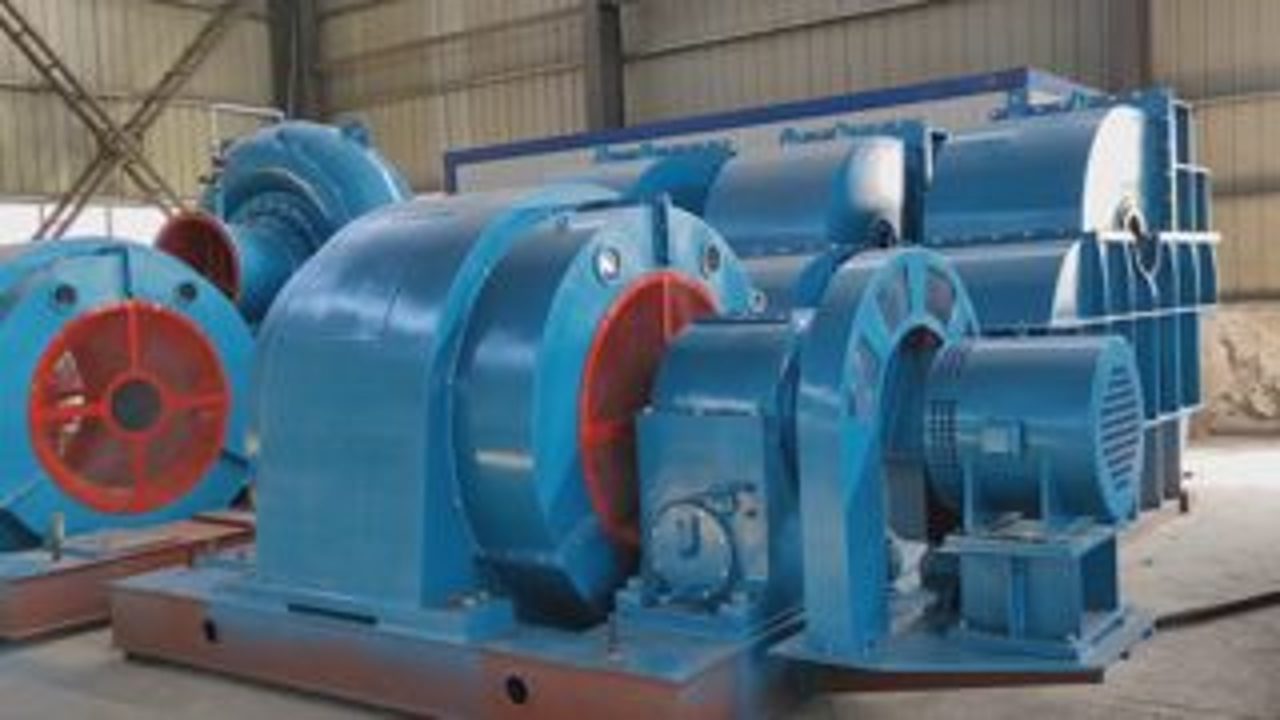
Completed water-turbine generator units awaiting shipment

Completed turbine-generator units crated and awaiting shipment.

Common questions

How long does a turnkey small hydro project really take?+
From signed contract to handover, roughly 8–14 months for the typical 0.5–5 MW run-of-river plant: licensing and design overlap with manufacturing, and civil works run in parallel with shipping. The critical path is almost always civil works and site access, not the equipment.
What must the owner prepare before signing an EPC contract?+
The essentials are: river data covering at least one dry season and one wet season, a confirmed site with access, land and water rights, and a clear grid connection or off-grid plan. We can start with less — our engineers run a preliminary screening from available data and tell you what to measure next.
Who handles shipping, customs and inland transport?+
The EPC contract defines this via delivery terms. We normally supply with clear Incoterms, arrange ocean freight and provide full packing lists and documentation; the local partner (HIER in Madagascar) manages destination clearance and haulage to site. One coordinator tracks the shipment from factory to powerhouse.
Is operator training included?+
Yes. Factory training during the FAT and on-site training during commissioning are part of every contract, together with operation & maintenance manuals in your language. Where the owner wants full outsourcing, we can remain as O&M contractor through our local entity.

Have a river and a target capacity in mind?

Send us what you know — river, head, flow, site photos, grid situation. We reply with a preliminary engineering screening and a realistic schedule, free and within 24 hours.

Request a Technical Screening →
24/7 Engineer Chat
售前咨询 / Presales

TCHIER Presales Engineer

Hydropower & Renewable Energy
微电网智巡 / Microgrid
🔧

马达微电网智巡专家

Microgrid Smart Inspection